
The Impossible Marriage Between Reality and Surrealism: A New Vision of Digital Art
Digital art is evolving through the encounter between reality, imagination, and artificial intelligence. By introducing surreal elements into familiar environments, artists can create visual experiences that challenge perception and transform ordinary scenes into unexpected worlds.
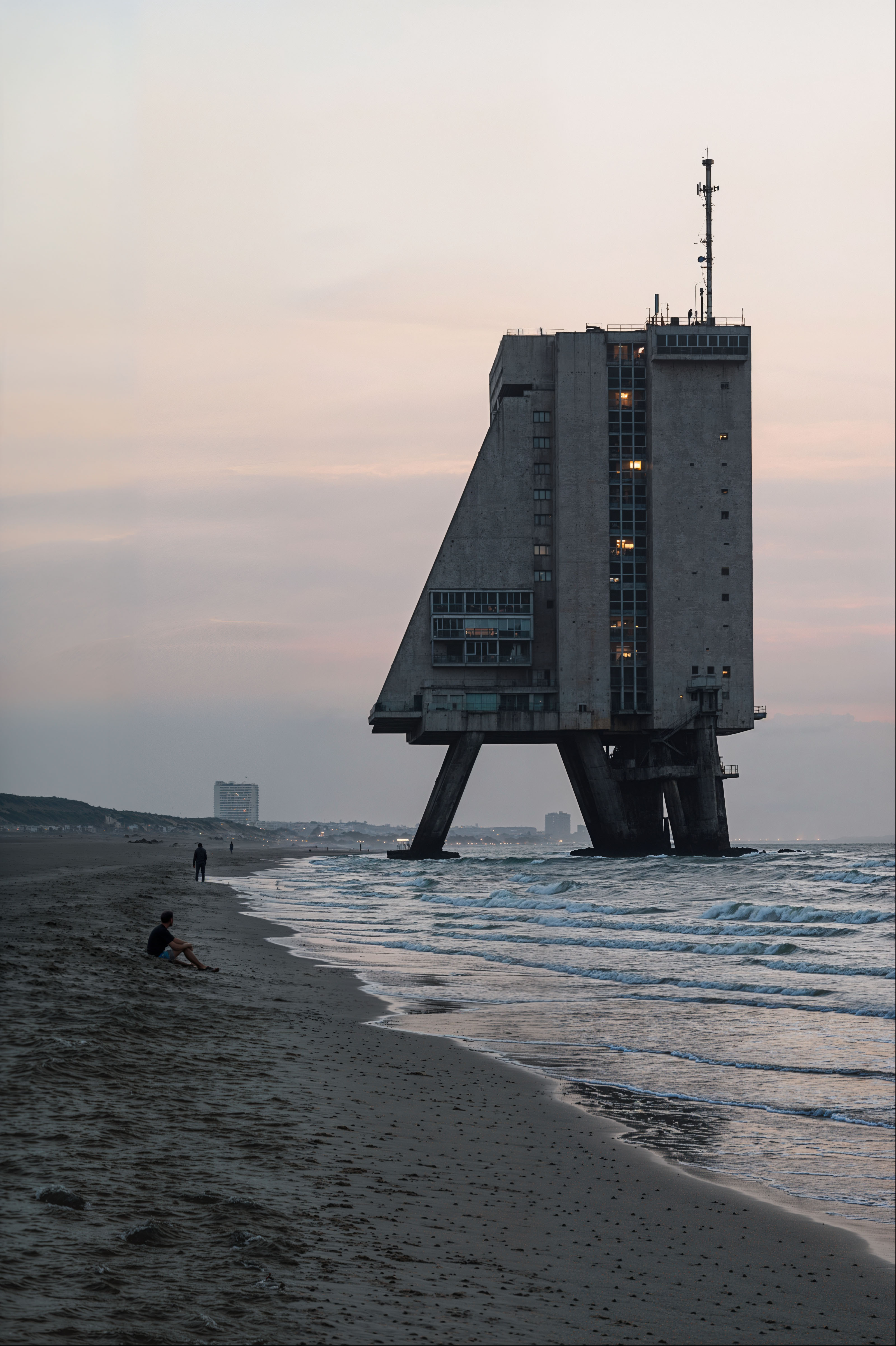
I have always seen digital art as a territory between worlds. A space where reality meets surrealism, where everyday observation merges with the freedom of imagination. It is an almost impossible marriage, a strange and unexpected union, yet it is precisely from this tension that new forms of visual expression emerge.
A realistic scene can become extraordinary when a subtle disruption enters the frame. A familiar street, a domestic interior, an ordinary landscape: a single unexpected element can completely change the perception of the image. Surrealism does not need to destroy reality to be powerful. Sometimes it works best when it preserves reality, inserting something impossible into a believable context.
This balance between recognition and uncertainty is where visual magic happens. The viewer sees something familiar but immediately understands that something is different. That moment of contradiction creates curiosity, emotion, and a desire to explore further.
Generative AI has expanded the possibilities of this creative research. I do not see artificial intelligence as a replacement for human creativity, but as a tool that amplifies the vision of those who know how to direct it. AI can generate endless possibilities, but meaning comes from human decisions: what to keep, what to remove, what atmosphere to build, and what story an image should communicate.
The real innovation is not creating more images. It is developing a stronger creative intention behind every image. The AI Workflow becomes a space where intuition, visual culture, critical thinking, and experimentation work together. Creative Direction remains the essential element: the human perspective defines the language, identity, and emotional impact of the final artwork.
In my approach to digital art, technical perfection is never the final goal. The true value lies in creating a connection between image, idea, and emotion. An AI-generated artwork becomes meaningful when it carries a personal vision, an aesthetic choice, and a unique point of view.
The future of digital art will not be about replacing reality with virtual worlds. It will be about continuously mixing both dimensions: memory and possibility, photography and imagination, what exists and what could exist.
When reality leaves space for surrealism without losing its credibility, something unique happens. The image stops being just a representation of a world and becomes a new way of seeing it.
FZ Journal - Exploring Creativity in the Age of AI.